
Nuclear Reactors
Nuclear reactors are machines for managing fission chain reactions—turning nuclear energy into heat for electricity, propulsion, research, or industrial processes. Every design answers the same engineering questions: how to slow or use neutrons, how to remove heat, how to control power, and how to contain radioactivity.
If you have not read it yet, start with Nuclear Fission for chain reactions, criticality, and fuel basics. The guides below compare how different reactor types solve those problems in practice.
Classic
Designs that power most of the world's nuclear electricity today.
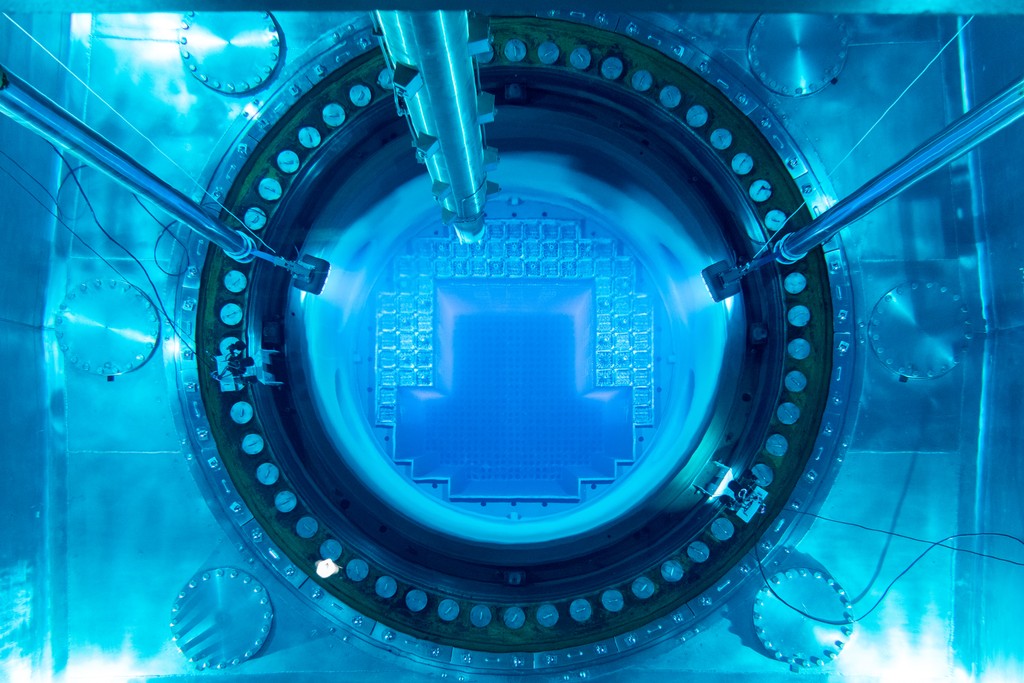
Pressurized Water Reactor
The most common power reactor design, using high-pressure water as both coolant and moderator.
- Coolant
- Light water
- Moderator
- Light water
- Fuel
- Enriched uranium dioxide
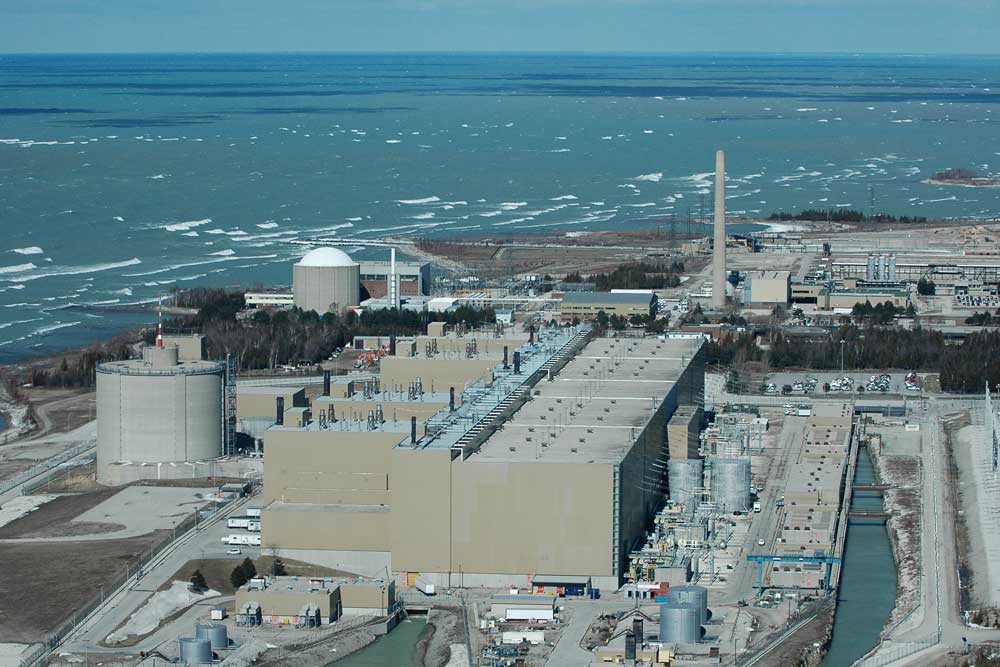
CANDU Reactor
A Canadian heavy-water reactor design known for using natural uranium fuel and online refueling.
- Coolant
- Heavy water
- Moderator
- Heavy water
- Fuel
- Natural uranium dioxide
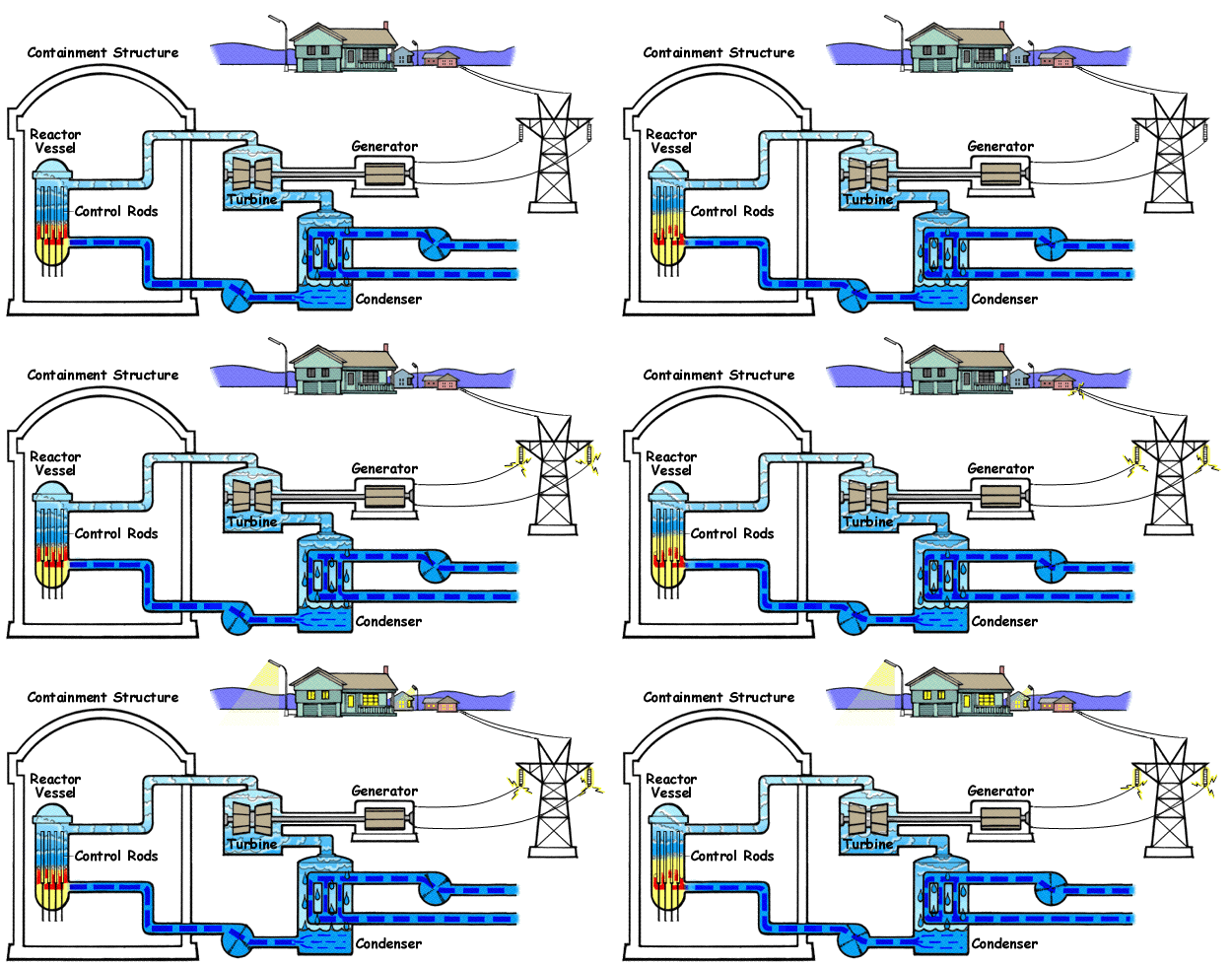
Boiling Water Reactor
A light-water reactor that boils water directly in the core to produce steam for the turbine.
- Coolant
- Light water
- Moderator
- Light water
- Fuel
- Enriched uranium dioxide
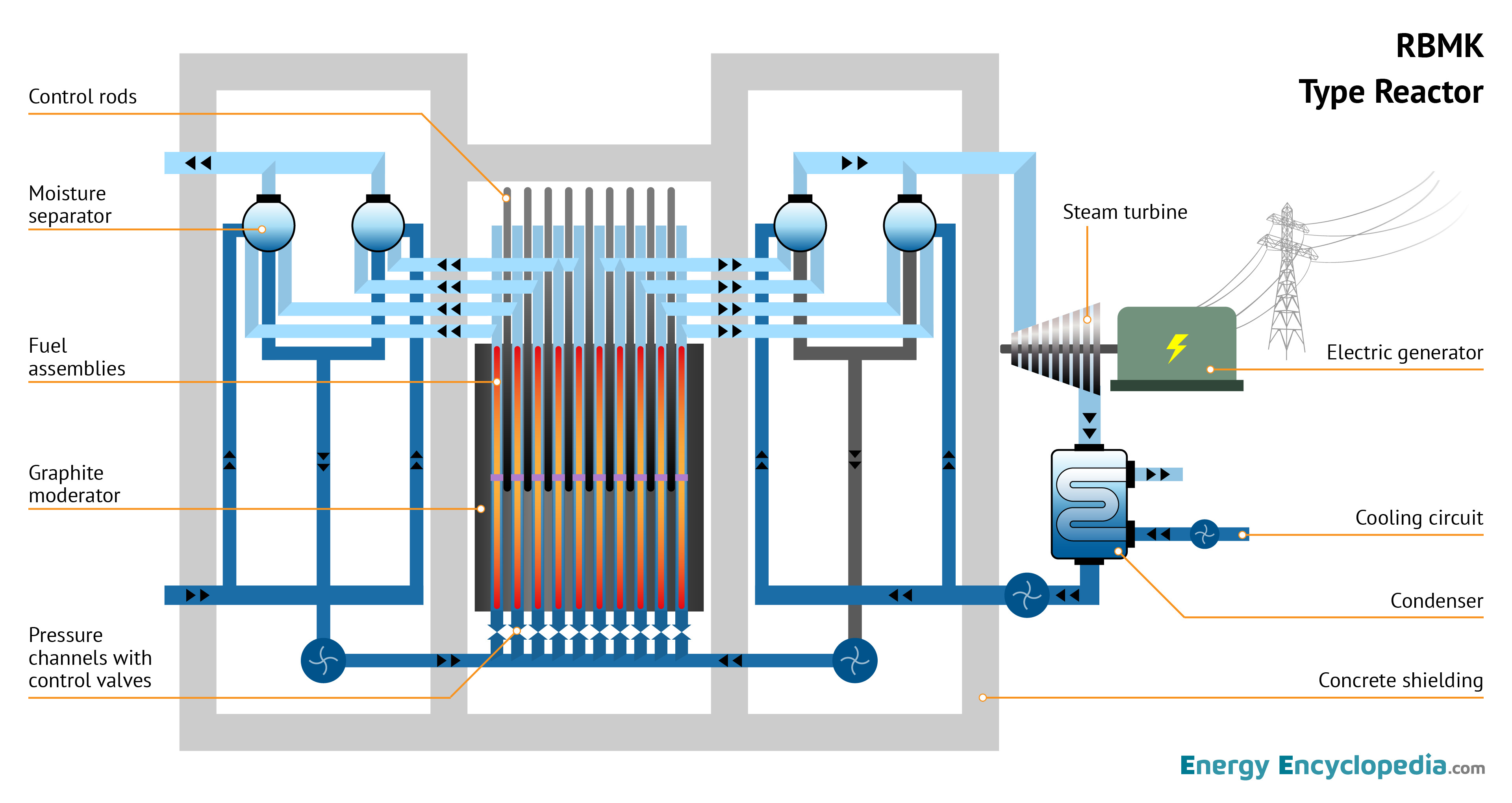
RBMK Reactor
A Soviet graphite-moderated, light-water-cooled pressure-tube reactor design.
- Coolant
- Light water
- Moderator
- Graphite
- Fuel
- Enriched uranium dioxide
Advanced
Next-generation and alternative concepts—many still in development or limited deployment.
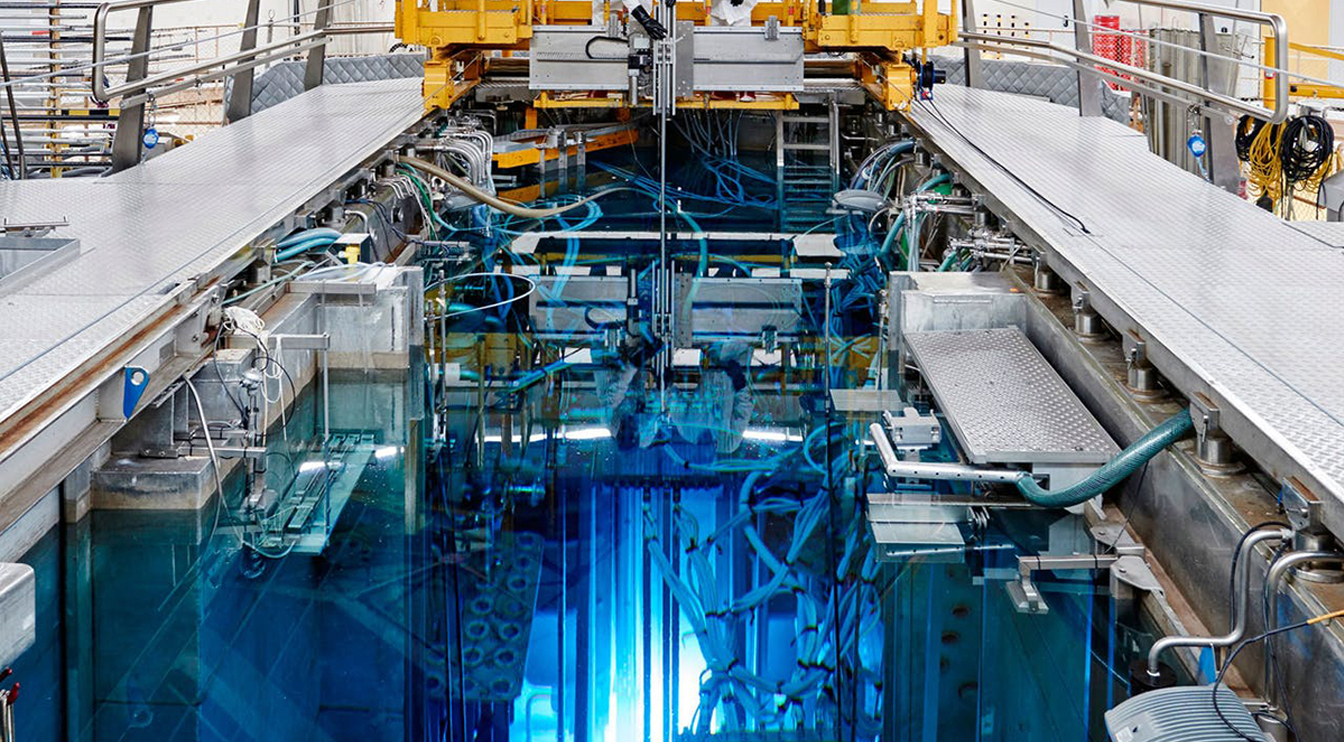
Molten Salt Reactor
An advanced reactor concept that uses hot liquid salt as coolant, and sometimes as the fuel carrier.
- Coolant
- Molten salt
- Moderator
- Varies by design
- Fuel
- Solid fuel or fuel dissolved in salt
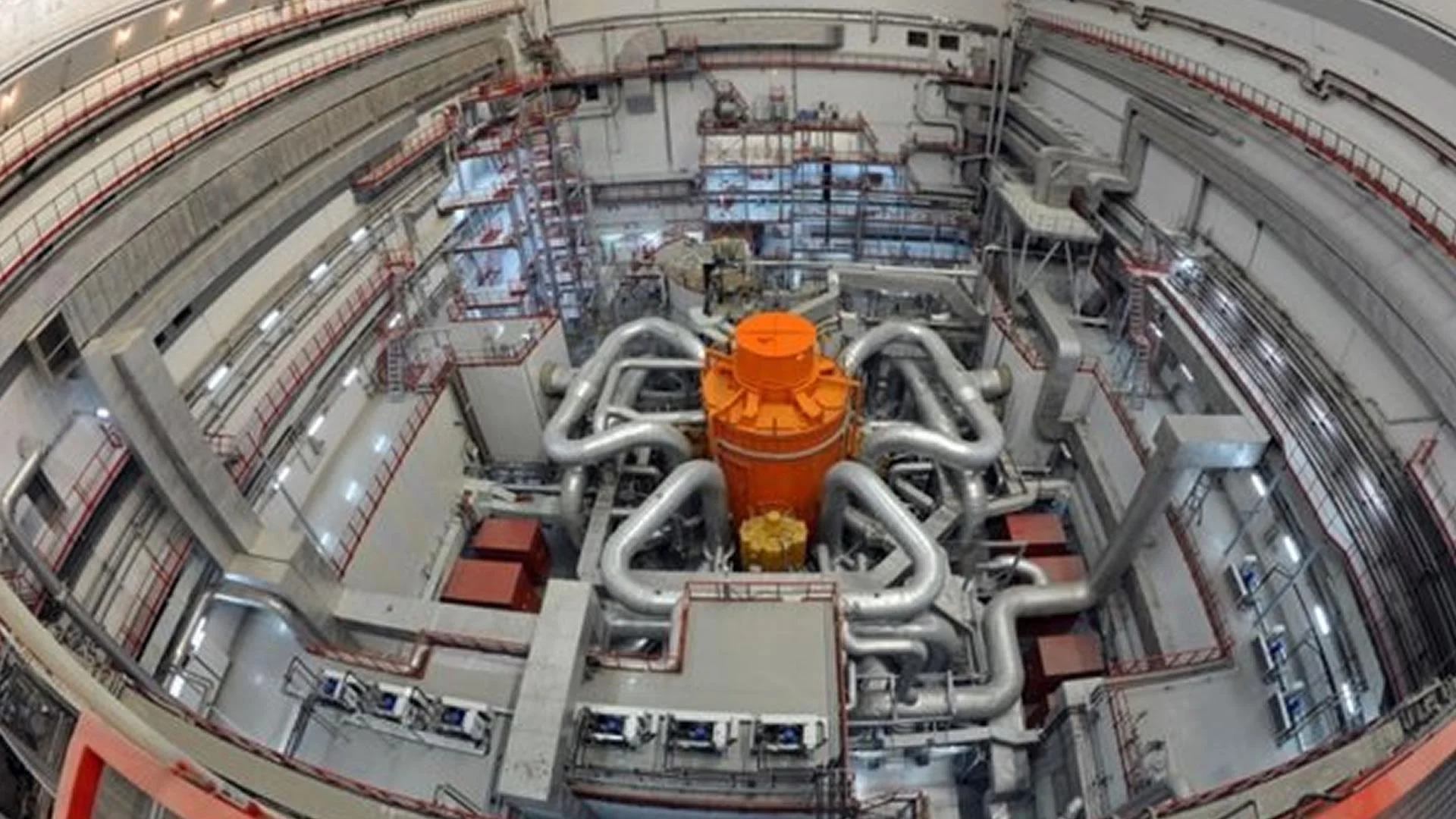
Fast Neutron Reactor
A reactor designed to sustain fission with fast neutrons rather than slowing them down with a moderator.
- Coolant
- Sodium, lead, gas, or other coolants
- Moderator
- None
- Fuel
- Uranium, plutonium, or mixed fuels
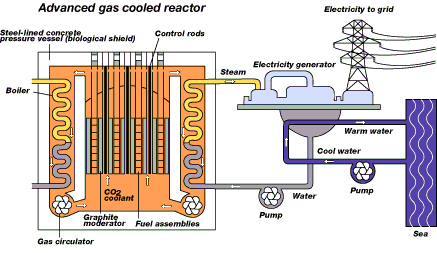
Gas-Cooled Reactor
A reactor family that uses gas, often carbon dioxide or helium, to carry heat away from the core.
- Coolant
- Carbon dioxide, helium, or other gases
- Moderator
- Graphite or none, depending on design
- Fuel
- Uranium, TRISO fuel, or other fuels